Journeyਉਦਾਸੀਆਂ
Historic placesਇਤਿਹਾਸਕ ਅਸਥਾਨ
ਇਤਿਹਾਸਕ ਅਸਥਾਨ
53 Gurdwaras and places of Sahib Sri Guru Nanak Dev Ji's life and Udasis. Choose a journey on the map, tap a place to read what happened there, and open its page for photos and sources.ਸਾਹਿਬ ਸ੍ਰੀ ਗੁਰੂ ਨਾਨਕ ਦੇਵ ਜੀ ਦੇ ਜੀਵਨ ਅਤੇ ਉਦਾਸੀਆਂ ਦੇ 53 ਗੁਰਦੁਆਰੇ ਅਤੇ ਅਸਥਾਨ। ਨਕਸ਼ੇ ’ਤੇ ਕੋਈ ਯਾਤਰਾ ਚੁਣੋ, ਕਿਸੇ ਥਾਂ ’ਤੇ ਟੈਪ ਕਰਕੇ ਪੜ੍ਹੋ ਕਿ ਉੱਥੇ ਕੀ ਹੋਇਆ, ਅਤੇ ਤਸਵੀਰਾਂ ਤੇ ਸਰੋਤਾਂ ਲਈ ਉਸ ਦਾ ਪੰਨਾ ਖੋਲ੍ਹੋ।
Lines join the stops in the order the sources tell them; the real routes are not known.ਲਕੀਰਾਂ ਥਾਵਾਂ ਨੂੰ ਉਸ ਤਰਤੀਬ ਵਿੱਚ ਜੋੜਦੀਆਂ ਹਨ ਜਿਵੇਂ ਸਰੋਤ ਦੱਸਦੇ ਹਨ; ਅਸਲ ਰਸਤੇ ਪਤਾ ਨਹੀਂ।
Life at homeਘਰ ਦਾ ਜੀਵਨ
1469–1539
Nankana Sahib, Sultanpur Lodhi, Batala and Kartarpur: Guru Ji's birth, work, marriage and last years.
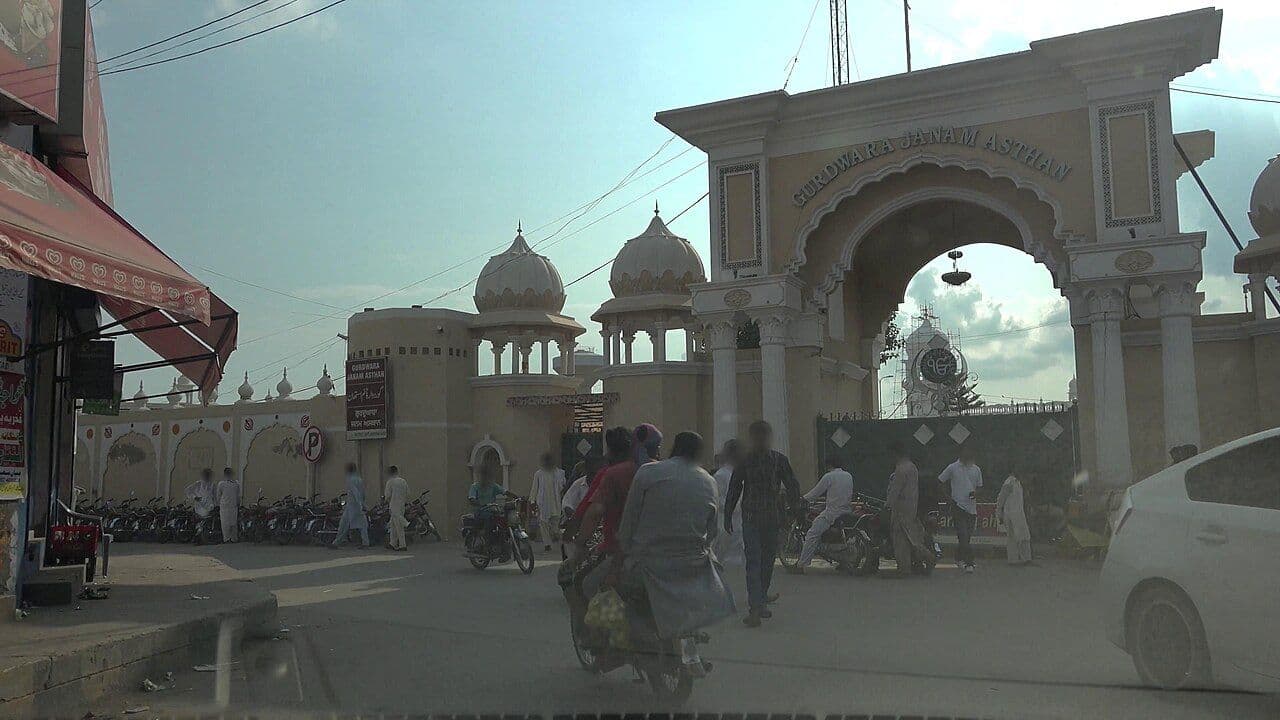 Life at homeਘਰ ਦਾ ਜੀਵਨ
Gurdwara Janam Asthan
ਗੁਰਦੁਆਰਾ ਜਨਮ ਅਸਥਾਨ
Rai Bhoi di Talwandi (Nankana Sahib), Pakistan
Guru Nanak was born to Mehta Kalu (Kalyan Chand), a Bedi Khatri village accountant in the service of the Muslim chief Rai Bular, and Mata Tripta.
historicalਇਤਿਹਾਸਕ
- Life at homeਘਰ ਦਾ ਜੀਵਨ
Gurdwara Patti Sahib
Talwandi (Nankana Sahib)
Sent to a village teacher (pandha) to learn letters and accounts, the young Nanak is said to have astonished the teacher by composing an acrostic on the alphabet with a deep spiritual meaning; the Patti in Rag Asa in th…
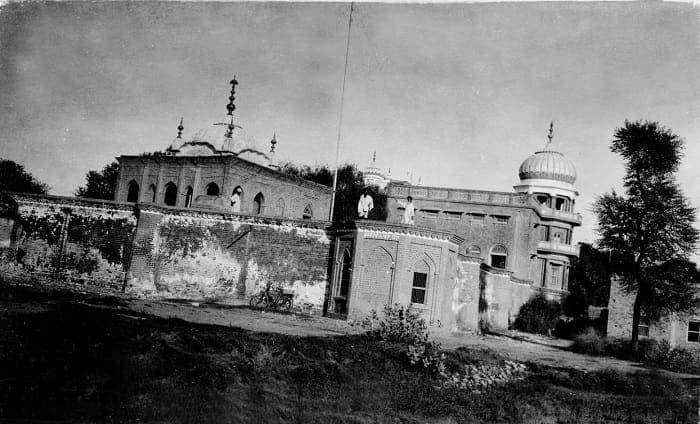 Life at homeਘਰ ਦਾ ਜੀਵਨ
Gurdwara Sacha Sauda
Chuharkana (Farooqabad), Sheikhupura district, Pakistan
According to the Bala Janamsakhi, their father gave them twenty rupees to strike a profitable bargain; on the way they met a band of hungry ascetics and spent all the money feeding them, calling it the truest bargain th…
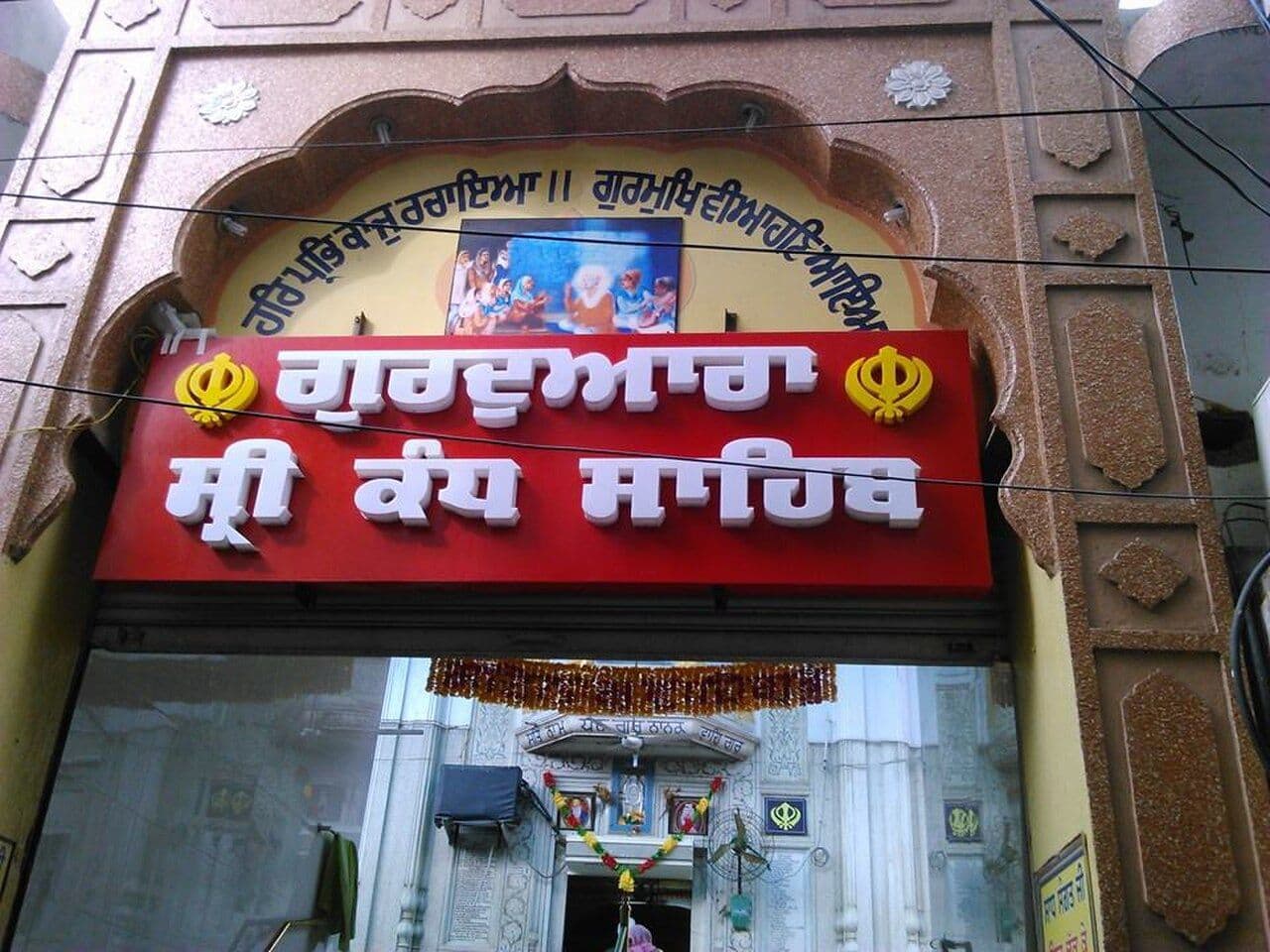 Life at homeਘਰ ਦਾ ਜੀਵਨ
Gurdwara Kandh Sahib
ਗੁਰਦੁਆਰਾ ਕੰਧ ਸਾਹਿਬ
Batala, Punjab, India
Guru Nanak married Sulakhni, daughter of Mul Chand Chona, at Batala on Bhadon sudi 7, 1544 Bk / 24 September 1487 (local tradition; the date is the one given by the Encyclopaedia of Sikhism).
by traditionਰਵਾਇਤ ਅਨੁਸਾਰ
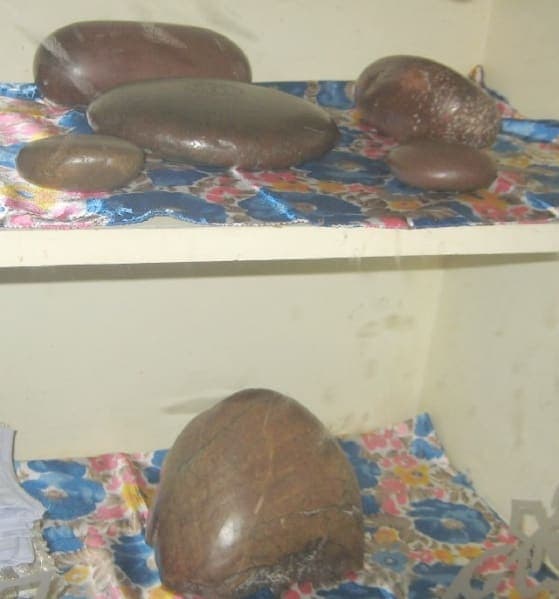 Life at homeਘਰ ਦਾ ਜੀਵਨ
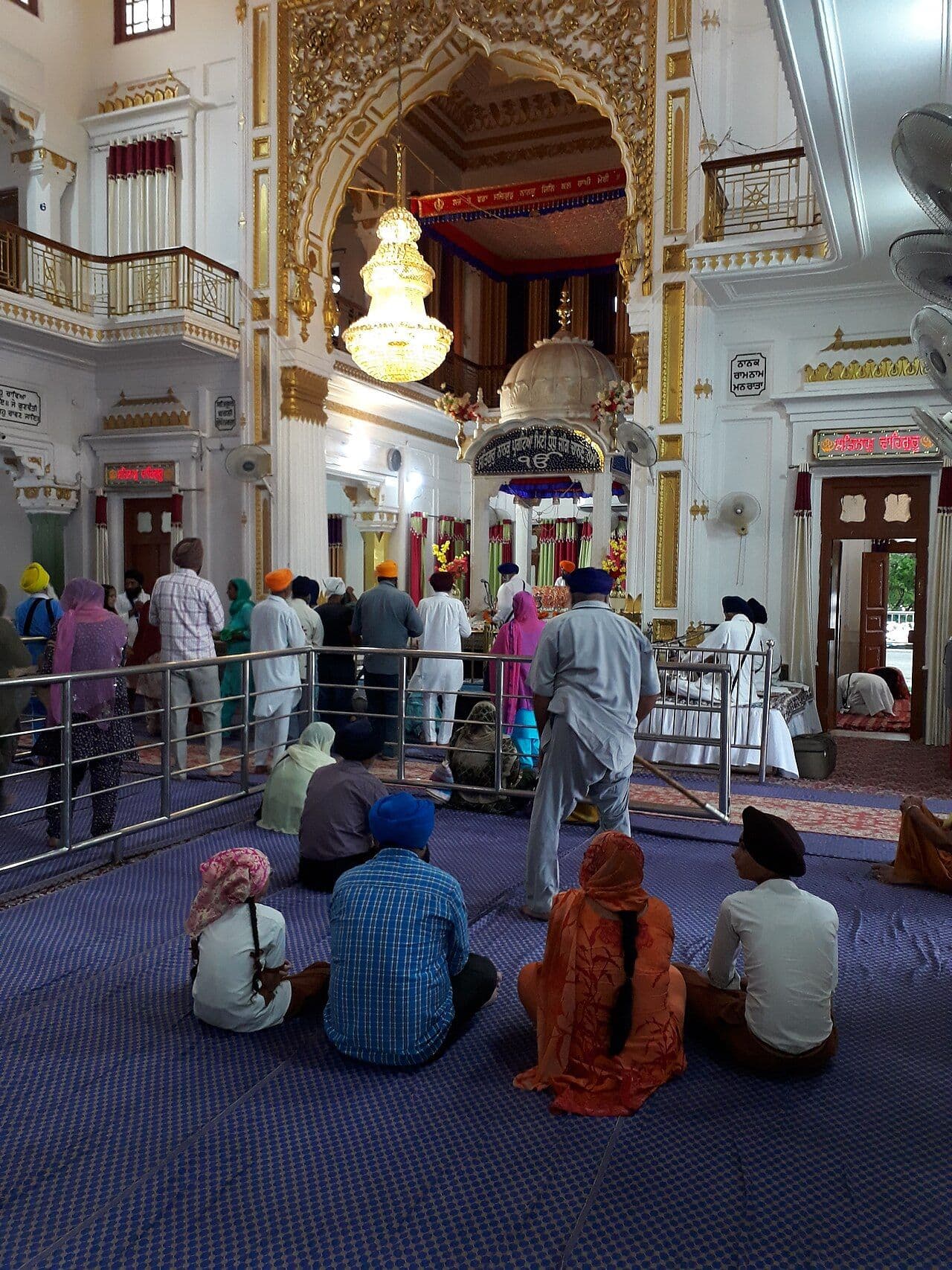
Gurdwara Hatt Sahib
Sultanpur Lodhi, Punjab, India
At the invitation of their elder sister Nanaki and her husband Jai Ram, Guru Nanak moved to Sultanpur and became keeper of the modikhana (provision stores) of Nawab Daulat Khan Lodhi.
 Life at homeਘਰ ਦਾ ਜੀਵਨ
Gurdwara Ber Sahib
ਗੁਰਦੁਆਰਾ ਸ੍ਰੀ ਬੇਰ ਸਾਹਿਬ
Kali Bein river, Sultanpur Lodhi
After their morning bath in the Bein, Guru Nanak disappeared for three days and was feared drowned.
historicalਇਤਿਹਾਸਕ
 Life at homeਘਰ ਦਾ ਜੀਵਨ
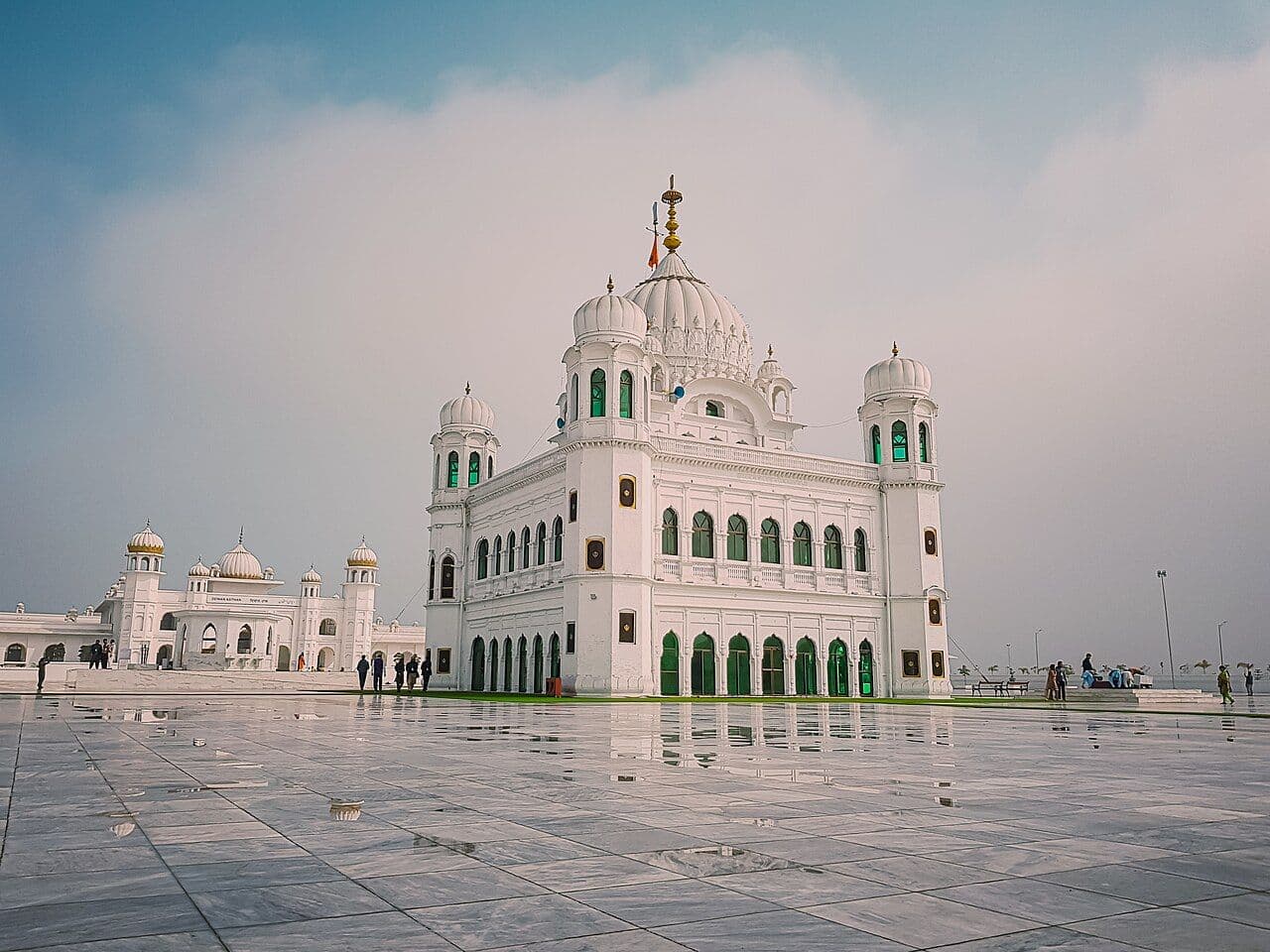
Gurdwara Darbar Sahib Kartarpur
ਗੁਰਦੁਆਰਾ ਦਰਬਾਰ ਸਾਹਿਬ ਕਰਤਾਰਪੁਰ
Kartarpur (Ravi), Narowal district, Pakistan
Guru Nanak's travels ended with the founding of Kartarpur on the right bank of the Ravi, on land given by a devotee (tradition names Ajitta Randhawa of Pakkhoke).
historicalਇਤਿਹਾਸਕ
 Life at homeਘਰ ਦਾ ਜੀਵਨ
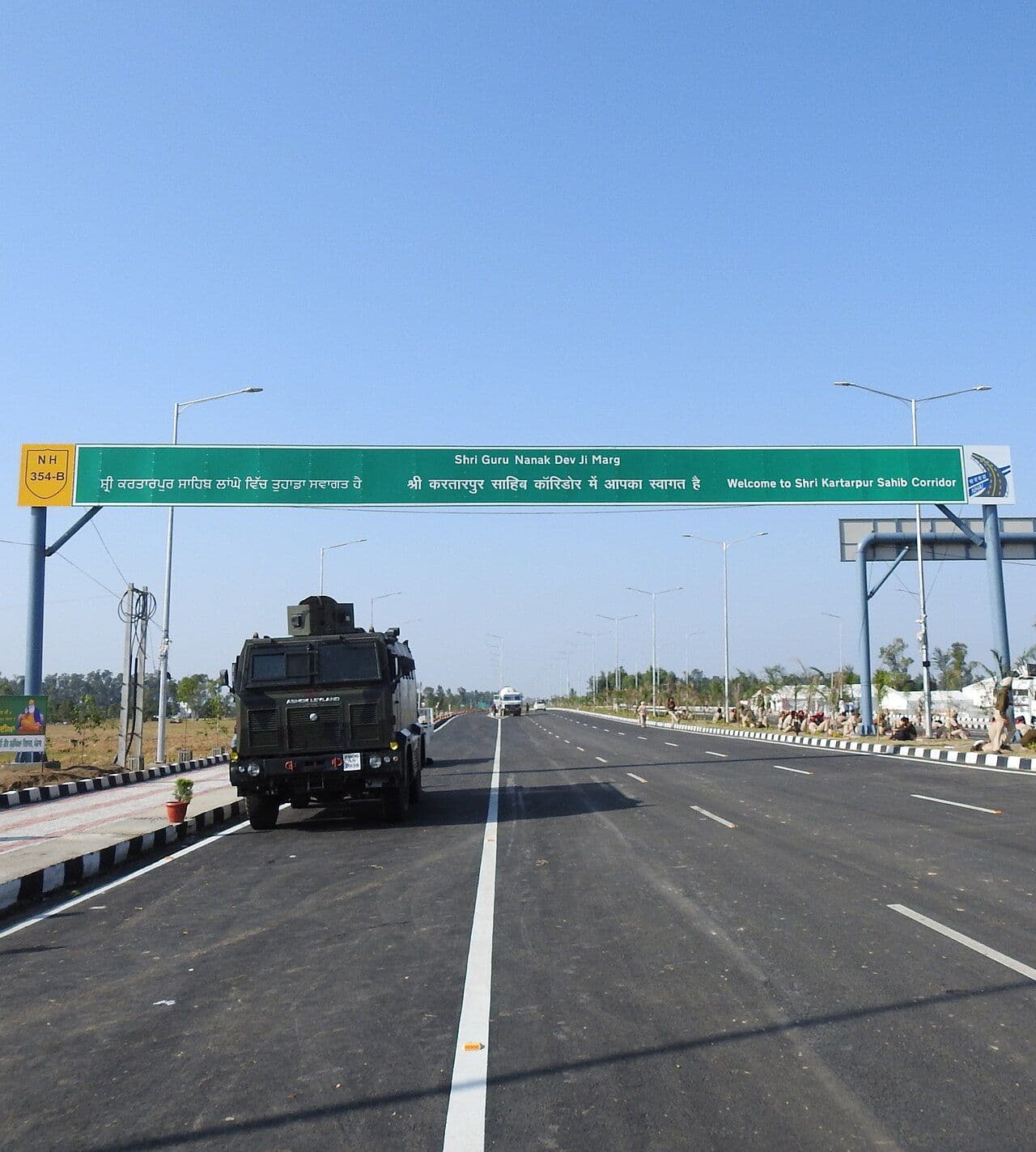
Kartarpur Corridor, Dera Baba Nanak
ਡੇਰਾ ਬਾਬਾ ਨਾਨਕ
Dera Baba Nanak, Gurdaspur, India
Dera Baba Nanak faces Kartarpur across the Ravi and the border.
historicalਇਤਿਹਾਸਕ
First Udasi (East)ਪਹਿਲੀ ਉਦਾਸੀ (ਪੂਰਬ)
c. 1500-1506/07 (dates vary; the BBC gives a 1496 start)
The longest and most richly narrated journey ran from Punjab through the Hindu pilgrimage centres of the Gangetic plain to Bengal, Assam and Odisha, with Mardana singing to the rabab. Its themes are the critique of empty ritual (Haridwar, Kurukshetra, Gaya), the dignity of honest labour (Bhai Lalo), and the founding of sangats and dharamsalas wherever Guru Nanak went. The Encyclopaedia of Sikhism dates their visits to Dhaka, Sylhet and Chittagong to about 1507-08.
- East · Udasi 1ਪਹਿਲੀ ਉਦਾਸੀ (ਪੂਰਬ)
Gurdwara Khuhi Bhai Lalo
Eminabad, Pakistan
Before their long journeys Guru Nanak stayed with Bhai Lalo, a poor carpenter, instead of attending the feast of the rich official Malik Bhago.
by traditionਰਵਾਇਤ ਅਨੁਸਾਰ
- East · Udasi 1ਪਹਿਲੀ ਉਦਾਸੀ (ਪੂਰਬ)
Tulamba (Makhdumpur)
Tulamba, Khanewal district, Pakistan
Sheikh Sajjan, who kept both a mosque and a temple for travellers, secretly robbed and murdered his guests.
by traditionਰਵਾਇਤ ਅਨੁਸਾਰ
- East · Udasi 1ਪਹਿਲੀ ਉਦਾਸੀ (ਪੂਰਬ)
Gurdwara Sidh Bati Patshahi Pahili
Kurukshetra, Haryana, India
At the solar eclipse fair Guru Nanak angered the priests by cooking meat, since cooking during an eclipse was taboo.
by traditionਰਵਾਇਤ ਅਨੁਸਾਰ
 East · Udasi 1ਪਹਿਲੀ ਉਦਾਸੀ (ਪੂਰਬ)
Gurdwara Nanak Piao Sahib
ਗੁਰਦੁਆਰਾ ਨਾਨਕ ਪਿਆਓ ਸਾਹਿਬ
Delhi, India
Tradition says Guru Nanak stayed by the Yamuna, where a Muslim hermit called Majnu, who ferried people across, became their disciple.
by traditionਰਵਾਇਤ ਅਨੁਸਾਰ
- East · Udasi 1ਪਹਿਲੀ ਉਦਾਸੀ (ਪੂਰਬ)
Gurdwara Gyan Godri
Haridwar, Uttarakhand, India
Seeing pilgrims throw Ganga water east towards the rising sun for their ancestors, Guru Nanak began throwing water west.
by traditionਰਵਾਇਤ ਅਨੁਸਾਰ
 East · Udasi 1ਪਹਿਲੀ ਉਦਾਸੀ (ਪੂਰਬ)
Gurdwara Nanakmatta Sahib
ਗੁਰਦੁਆਰਾ ਨਾਨਕਮੱਤਾ ਸਾਹਿਬ
Nanakmata, Udham Singh Nagar, Uttarakhand, India
This was a seat of the Siddha yogis named after Gorakhnath.
by traditionਰਵਾਇਤ ਅਨੁਸਾਰ
- East · Udasi 1ਪਹਿਲੀ ਉਦਾਸੀ (ਪੂਰਬ)
Gurdwara Brahm Kund
Ayodhya, Uttar Pradesh, India
Itineraries include Ayodhya among the pilgrim centres Guru Nanak visited on their eastern journey, where they spoke with pilgrims and sadhus about devotion to the one Formless Lord.
by traditionਰਵਾਇਤ ਅਨੁਸਾਰ
- East · Udasi 1ਪਹਿਲੀ ਉਦਾਸੀ (ਪੂਰਬ)
Prayag
Prayagraj (Allahabad), Uttar Pradesh, India
Traditional itineraries put Guru Nanak at the confluence of the Ganga and Yamuna at a time of pilgrim gatherings, preaching that inner purity, not the bath, cleanses the soul.
by traditionਰਵਾਇਤ ਅਨੁਸਾਰ
- East · Udasi 1ਪਹਿਲੀ ਉਦਾਸੀ (ਪੂਰਬ)
Gurdwara Guru ka Bagh
Varanasi, Uttar Pradesh, India
The learned Pandit Chatur Das asked why Guru Nanak wore no tulsi beads, saligram or forehead mark.
by traditionਰਵਾਇਤ ਅਨੁਸਾਰ
- East · Udasi 1ਪਹਿਲੀ ਉਦਾਸੀ (ਪੂਰਬ)
Gurdwara at Vishnupad
Gaya, Bihar, India
At Gaya, where families perform pind-daan rites for their ancestors, Guru Nanak taught that a person's own good deeds in life, not rituals performed by descendants, benefit the soul.
by traditionਰਵਾਇਤ ਅਨੁਸਾਰ
- East · Udasi 1ਪਹਿਲੀ ਉਦਾਸੀ (ਪੂਰਬ)
Gurdwara Pahila Bara
Patna, Bihar, India
Guru Nanak stayed with Jaita, a confectioner, and sent Mardana into the city to have a jewel valued.
by traditionਰਵਾਇਤ ਅਨੁਸਾਰ
 East · Udasi 1ਪਹਿਲੀ ਉਦਾਸੀ (ਪੂਰਬ)
Gurdwara Sri Guru Tegh Bahadur Ji, Dhubri
Dhubri, Assam, India
In the 'land of magic', Mardana was bewitched by a sorceress.
by traditionਰਵਾਇਤ ਅਨੁਸਾਰ
- East · Udasi 1ਪਹਿਲੀ ਉਦਾਸੀ (ਪੂਰਬ)
Sylhet
Sylhet, Bangladesh
Guru Nanak is said to have visited in 1507-08; a sangat and dharamsala grew up there and still received a hukamnama from Guru Gobind Singh two centuries later.
by traditionਰਵਾਇਤ ਅਨੁਸਾਰ
 East · Udasi 1ਪਹਿਲੀ ਉਦਾਸੀ (ਪੂਰਬ)
Gurdwara Nanakshahi
Dhaka, Bangladesh
Guru Nanak is believed to have preached in the Ramna area in 1507-08, where a Sikh sangat grew up; a well associated with them was long revered by people of all faiths.
by traditionਰਵਾਇਤ ਅਨੁਸਾਰ
- East · Udasi 1ਪਹਿਲੀ ਉਦਾਸੀ (ਪੂਰਬ)
Gurdwara Sikh Temple, Chowk Bazar
Chattogram, Bangladesh
Local tradition and the B40 and Bala Janamsakhis link their brief stay (c.
by traditionਰਵਾਇਤ ਅਨੁਸਾਰ
- East · Udasi 1ਪਹਿਲੀ ਉਦਾਸੀ (ਪੂਰਬ)
Cuttack
Cuttack, Odisha, India
Guru Nanak is said to have instructed the local ruler, Raja Prataprudra Dev, and many of his subjects; a shrine was later set up by Udasi priests on the bank of the Mahanadi.
by traditionਰਵਾਇਤ ਅਨੁਸਾਰ
- East · Udasi 1ਪਹਿਲੀ ਉਦਾਸੀ (ਪੂਰਬ)
Gurdwara Arti Sahib
Puri, Odisha, India
Invited to join the evening arti with lamps on a platter, Guru Nanak sat apart and sang that the whole cosmos is the Creator's arti: ਗਗਨ ਮੈ ਥਾਲੁ ਰਵਿ ਚੰਦੁ ਦੀਪਕ ਬਨੇ ('Gagan mai thaal, rav chand deepak bane') (the sky is t…
by traditionਰਵਾਇਤ ਅਨੁਸਾਰ
Second Udasi (South)ਦੂਜੀ ਉਦਾਸੀ (ਦੱਖਣ)
c. 1506/1510-1513/15 (dates vary)
This journey went through central India and the Deccan to Tamil Nadu and Sri Lanka, returning, according to tradition, along the western coast. It is the least securely documented udasi; the Sri Lanka episode with Raja Shivnabh is the best-known story, and the itinerary and its assignment to this journey differ between sources.
- South · Udasi 2ਦੂਜੀ ਉਦਾਸੀ (ਦੱਖਣ)
Gurdwara Guru Nanak Bagichi
Mathura, Uttar Pradesh, India
Told that the river water was muddy and the wells brackish, Guru Nanak found sweet water in a nearby well.
by traditionਰਵਾਇਤ ਅਨੁਸਾਰ
- South · Udasi 2ਦੂਜੀ ਉਦਾਸੀ (ਦੱਖਣ)
Gurdwara Mal Tekri Sahib
Nanded, Maharashtra, India
Nanded, on the Godavari, is remembered as visited by both Guru Nanak and, two centuries later, Guru Gobind Singh.
by traditionਰਵਾਇਤ ਅਨੁਸਾਰ
 South · Udasi 2ਦੂਜੀ ਉਦਾਸੀ (ਦੱਖਣ)
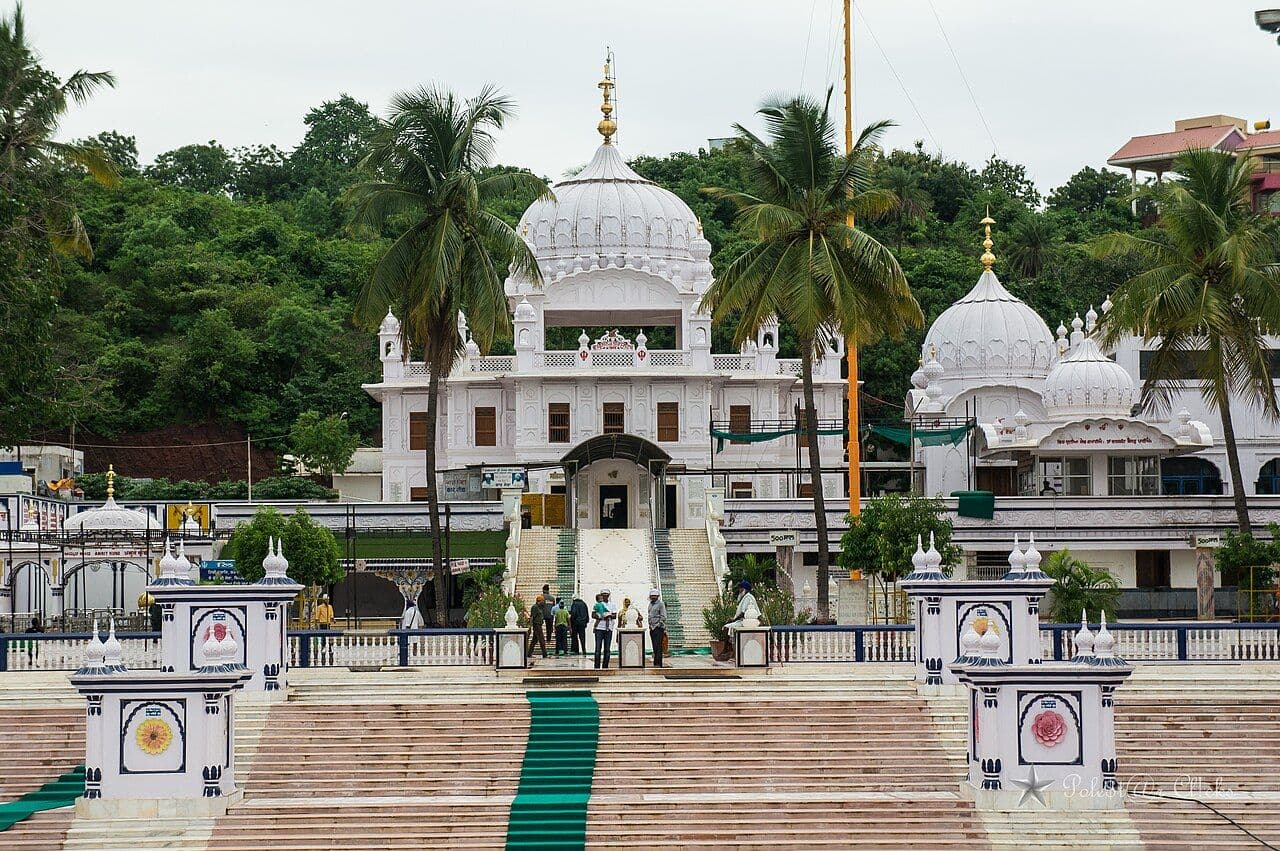
Gurdwara Nanak Jhira Sahib
ਗੁਰਦੁਆਰਾ ਨਾਨਕ ਝੀਰਾ ਸਾਹਿਬ
Bidar, Karnataka, India
Bidar was then the Bahmani capital.
by traditionਰਵਾਇਤ ਅਨੁਸਾਰ
- South · Udasi 2ਦੂਜੀ ਉਦਾਸੀ (ਦੱਖਣ)
Kanchipuram
Kanchipuram, Tamil Nadu, India
Modern itineraries have Guru Nanak travelling south from Guntur with Mardana to this temple city, speaking with Vaishnava and Shaiva devotees.
by traditionਰਵਾਇਤ ਅਨੁਸਾਰ
- South · Udasi 2ਦੂਜੀ ਉਦਾਸੀ (ਦੱਖਣ)
Rameswaram
Rameswaram, Tamil Nadu, India
On the route towards Ceylon, itineraries list Rameswaram among the great Hindu pilgrimage centres Guru Nanak reached.
by traditionਰਵਾਇਤ ਅਨੁਸਾਰ
- South · Udasi 2ਦੂਜੀ ਉਦਾਸੀ (ਦੱਖਣ)
Gurdwara Pehli Patshahi, Kurukal Mandap
Batticaloa / Kurukkalmadam, Sri Lanka
The Lahore merchant Bhai Mansukh had told King Shivnabh about his Guru, and the king had long waited for them.
by traditionਰਵਾਇਤ ਅਨੁਸਾਰ
Third Udasi (North)ਤੀਜੀ ਉਦਾਸੀ (ਉੱਤਰ)
c. 1514-1518 (dates vary)
This journey went into the Himalaya: Kashmir, Ladakh and Tibet, with meetings with Nath Siddhas on 'Sumer Parbat', and by some accounts Nepal and Sikkim. Bhai Gurdas records the Sumer dialogue. Most specific sites (Pathar Sahib, Chungthang, Nanak Math) rest on local and modern tradition.
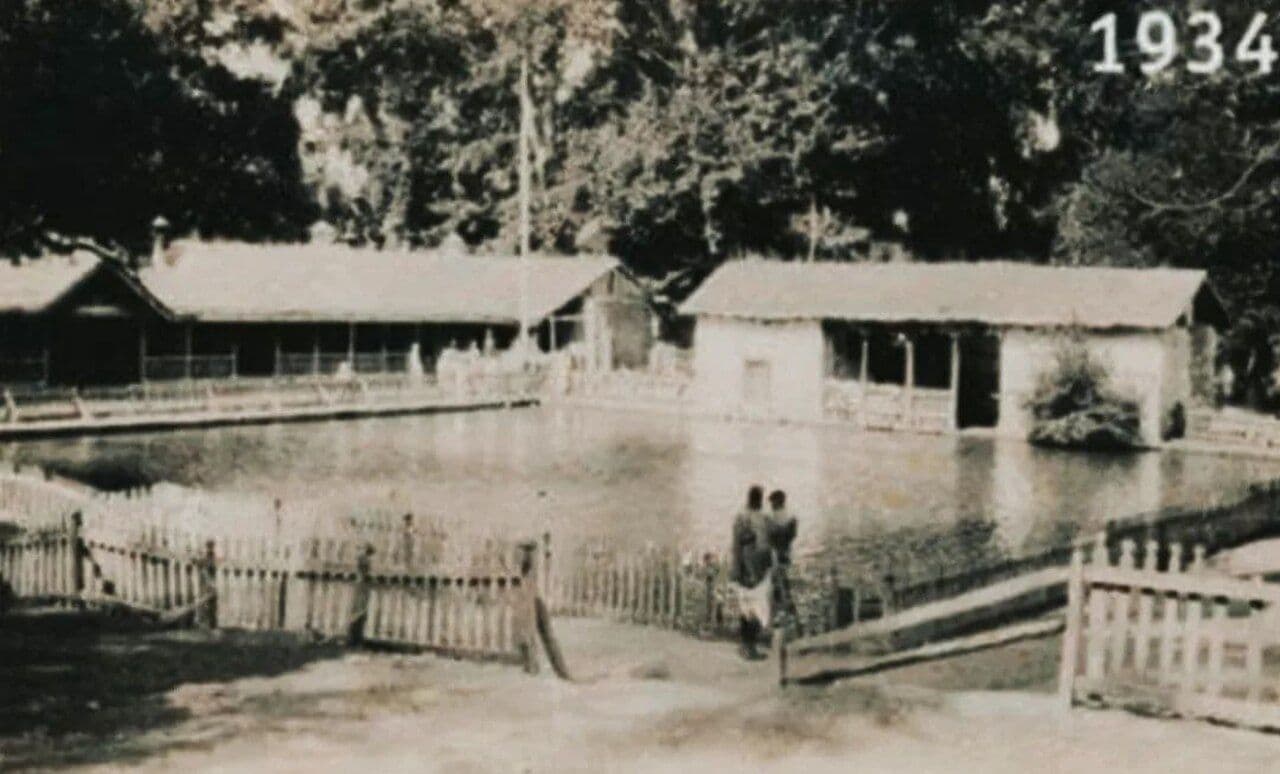
 North · Udasi 3ਤੀਜੀ ਉਦਾਸੀ (ਉੱਤਰ)
Gurdwara Babe di Ber
Sialkot, Pakistan
The Sufi Hamza Ghaus was fasting forty days to call down destruction on the town over one man's broken promise.
by traditionਰਵਾਇਤ ਅਨੁਸਾਰ
 North · Udasi 3ਤੀਜੀ ਉਦਾਸੀ (ਉੱਤਰ)
Gurdwara Mattan Sahib
ਗੁਰਦੁਆਰਾ ਮਟਨ ਸਾਹਿਬ
Mattan (near Anantnag), Jammu & Kashmir, India
The proud scholar Pandit Brahm Das arrived with 'two camel-loads' of books and an idol round his neck, and questioned the Guru's dress and practice.
by traditionਰਵਾਇਤ ਅਨੁਸਾਰ
- North · Udasi 3ਤੀਜੀ ਉਦਾਸੀ (ਉੱਤਰ)
Sumer Parbat (Mount Sumeru)
Kailash-Mansarovar region, Tibet, China (identification uncertain)
Bhai Gurdas (Vaar 1.28-31) tells of the Guru climbing Sumer to meet the Siddhas, who asked about the state of the world below.
by traditionਰਵਾਇਤ ਅਨੁਸਾਰ
 North · Udasi 3ਤੀਜੀ ਉਦਾਸੀ (ਉੱਤਰ)
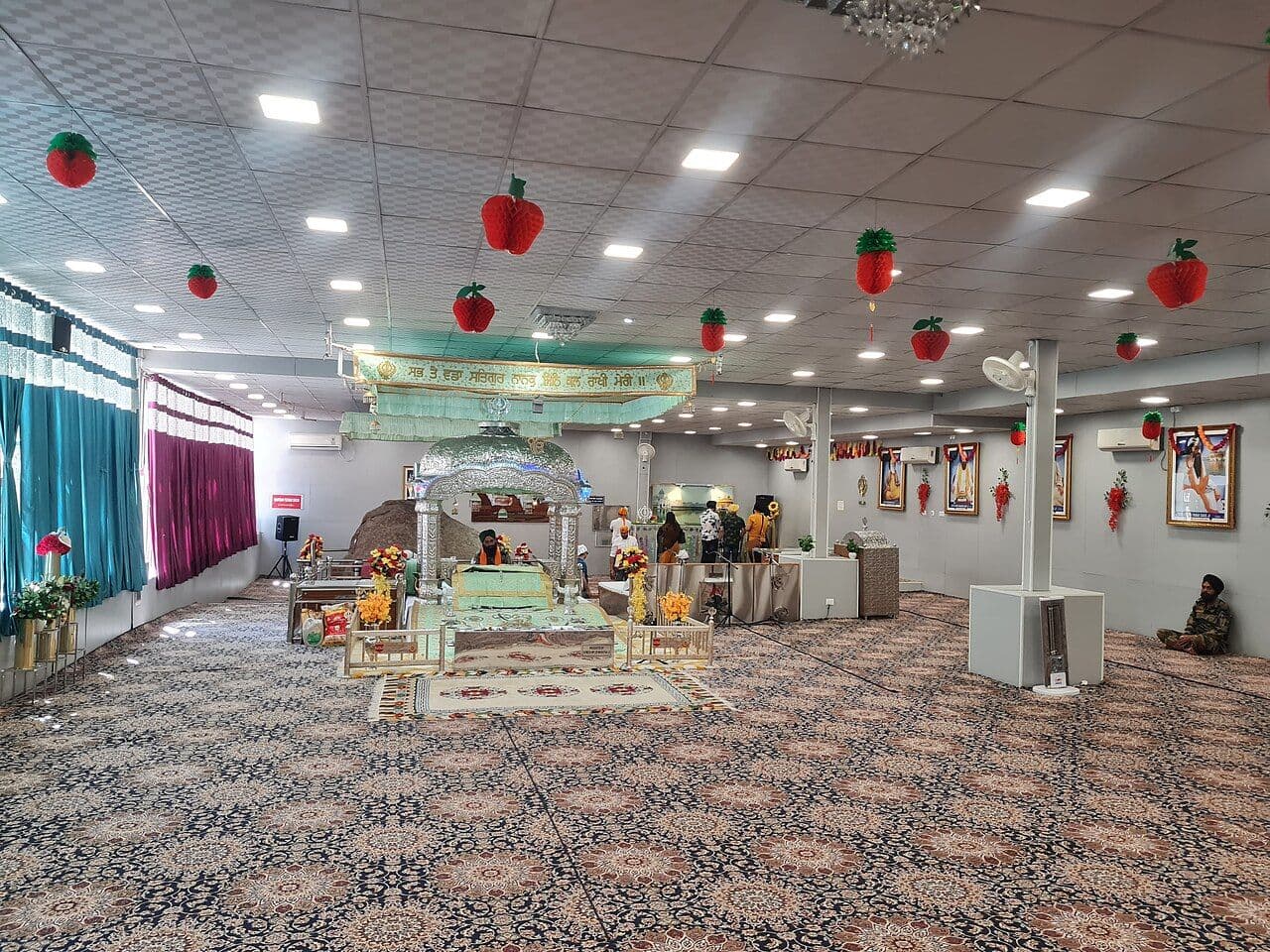
Gurdwara Pathar Sahib
ਗੁਰਦੁਆਰਾ ਪੱਥਰ ਸਾਹਿਬ
Near Leh, Ladakh, India
Local legend says a demon rolled a boulder down at the meditating Guru, and the rock softened against their back, keeping its imprint.
by traditionਰਵਾਇਤ ਅਨੁਸਾਰ
- North · Udasi 3ਤੀਜੀ ਉਦਾਸੀ (ਉੱਤਰ)
Gurdwara Guru Nanak Math
Balaju, Kathmandu, Nepal
Sikh tradition dates a visit to about 1516, with the first night spent on the bank of the Bishnumati.
by traditionਰਵਾਇਤ ਅਨੁਸਾਰ
 North · Udasi 3ਤੀਜੀ ਉਦਾਸੀ (ਉੱਤਰ)
Gurdwara Nanak Lama Sahib
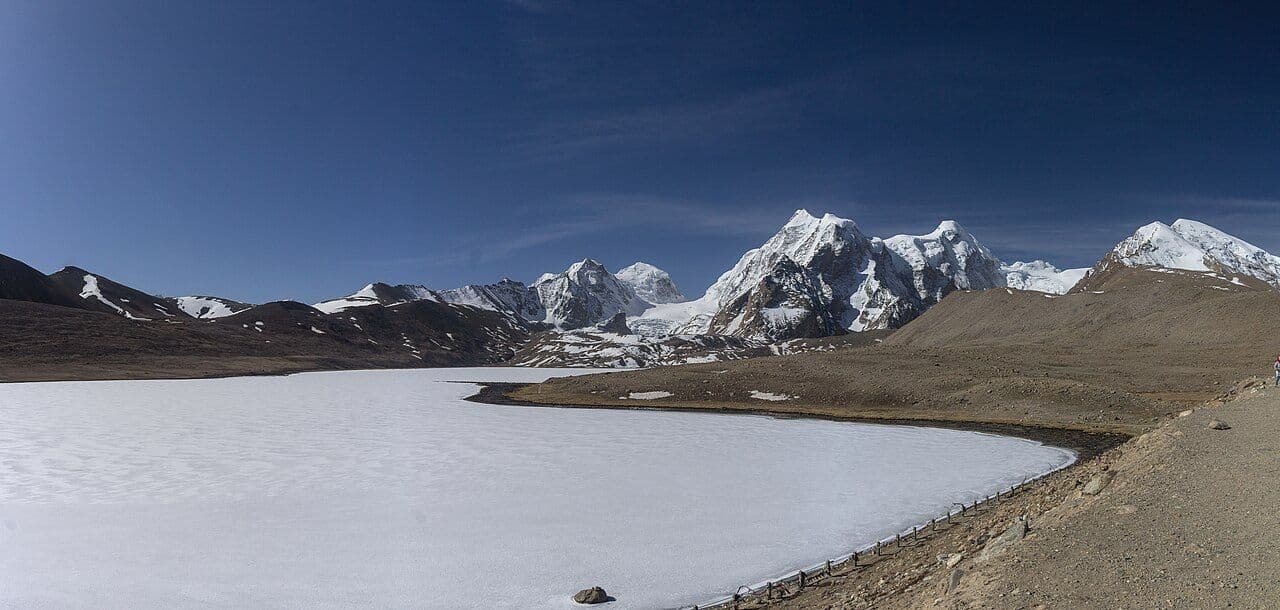
Chungthang, North Sikkim, India
Local tradition says that during a famine 'Guru Nanak Rimpoche' sat on a rock by the Teesta, where footprints are shown, and blessed the villagers with a ripe crop.
by traditionਰਵਾਇਤ ਅਨੁਸਾਰ
Fourth Udasi (West)ਚੌਥੀ ਉਦਾਸੀ (ਪੱਛਮ)
c. 1518/19-1521 (dates vary)
Guru Nanak travelled through Sindh and Kutch by sea to Arabia (Mecca, Medina), then to Baghdad, and back through Persia and Afghanistan to Punjab, arriving in time to witness Babur's sack of Saidpur (1520). Mecca and Baghdad are attested by Bhai Gurdas and, for Baghdad, by a later commemorative inscription; the Persian and Afghan stages are reconstructions.
 West · Udasi 4ਚੌਥੀ ਉਦਾਸੀ (ਪੱਛਮ)
Gurdwara Lakhpat Sahib
ਗੁਰਦੁਆਰਾ ਲਖਪਤ ਸਾਹਿਬ
Lakhpat, Kutch, Gujarat, India
Tradition says Guru Nanak stayed at this port town on their way to Mecca, and some accounts say also on the southern journey.
by traditionਰਵਾਇਤ ਅਨੁਸਾਰ
- West · Udasi 4ਚੌਥੀ ਉਦਾਸੀ (ਪੱਛਮ)
Mecca
Mecca, Saudi Arabia
Dressed in blue like a Muslim pilgrim, Guru Nanak lay down to rest with their feet towards the Kaaba.
historicalਇਤਿਹਾਸਕ
- West · Udasi 4ਚੌਥੀ ਉਦਾਸੀ (ਪੱਛਮ)
Medina
Medina, Saudi Arabia
The Encyclopaedia of Sikhism and later itineraries add Medina after Mecca, where Guru Nanak is said to have held discussions with Muslim scholars.
by traditionਰਵਾਇਤ ਅਨੁਸਾਰ
 West · Udasi 4ਚੌਥੀ ਉਦਾਸੀ (ਪੱਛਮ)
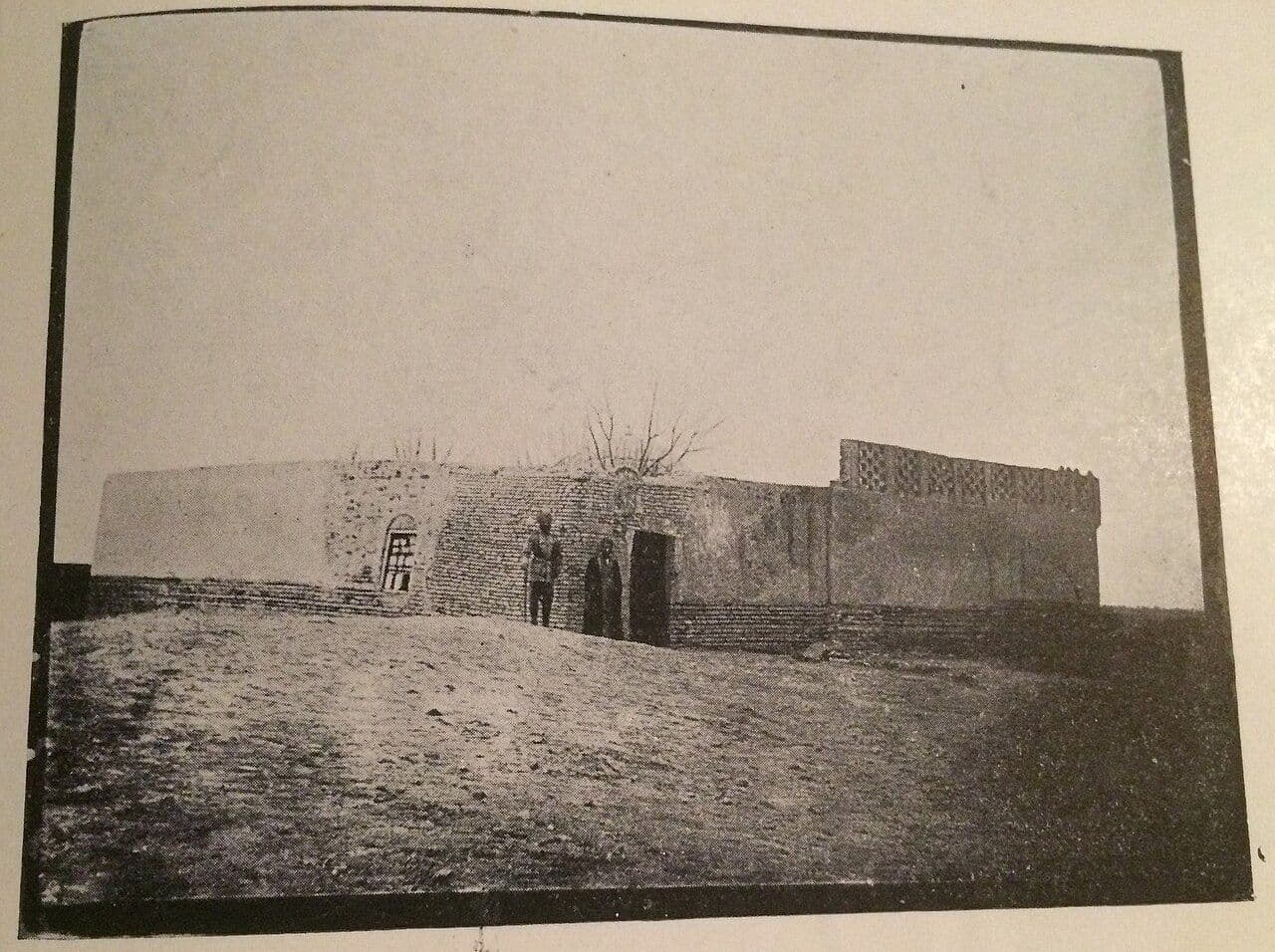
Baba Nanak shrine, Baghdad
Baghdad, Iraq
Bhai Gurdas (Vaar 1.35-36) says 'the Baba went to Baghdad and made his seat outside the town'.
historicalਇਤਿਹਾਸਕ
- West · Udasi 4ਚੌਥੀ ਉਦਾਸੀ (ਪੱਛਮ)
Iran (Mashhad)
Mashhad, Iran
Later accounts, such as SikhiWiki's reconstruction, take the return route east from Baghdad through Persia (Khorramabad, Mashhad), with discussions with Sufis and mullas along the way.
by traditionਰਵਾਇਤ ਅਨੁਸਾਰ
- West · Udasi 4ਚੌਥੀ ਉਦਾਸੀ (ਪੱਛਮ)
Kandahar
Kandahar, Afghanistan
The Bhai Mani Singh Janamsakhi tradition routes Guru Nanak from Mashhad through Kandahar and Ghazni towards Kabul on the caravan road.
by traditionਰਵਾਇਤ ਅਨੁਸਾਰ
- West · Udasi 4ਚੌਥੀ ਉਦਾਸੀ (ਪੱਛਮ)
Kabul
Kabul, Afghanistan
Guru Nanak is believed to have passed through Kabul, newly taken by Babur in 1504.
by traditionਰਵਾਇਤ ਅਨੁਸਾਰ
- West · Udasi 4ਚੌਥੀ ਉਦਾਸੀ (ਪੱਛਮ)
Gurdwara Choha Sahib Patshahi I
Jalalabad, Afghanistan
A historic shrine honours Guru Nanak's visit during their travels in these parts in the first quarter of the 16th century.
by traditionਰਵਾਇਤ ਅਨੁਸਾਰ
 West · Udasi 4ਚੌਥੀ ਉਦਾਸੀ (ਪੱਛਮ)
Gurdwara Panja Sahib
ਗੁਰਦੁਆਰਾ ਪੰਜਾ ਸਾਹਿਬ
Hasan Abdal, Attock district, Pakistan
Returning from the west, the thirsty Mardana was twice refused water by the hilltop recluse Wali Qandhari.
by traditionਰਵਾਇਤ ਅਨੁਸਾਰ
 West · Udasi 4ਚੌਥੀ ਉਦਾਸੀ (ਪੱਛਮ)
Gurdwara Chakki Sahib
Eminabad, Pakistan
Coming back to Punjab, Guru Nanak and Mardana were caught in Babur's sack of Saidpur in 1520.
historicalਇਤਿਹਾਸਕ
Later journeys within Punjab (from Kartarpur)ਕਰਤਾਰਪੁਰ ਤੋਂ ਪੰਜਾਬ ਦੀਆਂ ਯਾਤਰਾਵਾਂ
c. 1522-1539
Some traditions count a fifth set of shorter tours made from Kartarpur after the long journeys ended. These include the debate with the Naths at Achal Batala and the visit to Multan (both in Bhai Gurdas), and encounters with Sufis at Pakpattan. The Pakpattan visit is placed in different udasis by different sources.
- Punjab · Udasi 5ਕਰਤਾਰਪੁਰ ਤੋਂ ਪੰਜਾਬ ਦੀਆਂ ਯਾਤਰਾਵਾਂ
Gurdwara Achal Sahib
Achal Sahib, near Batala, Punjab, India
At the Shivratri fair Guru Nanak debated the Nath yogis under Bhangar Nath, defending the householder's life.
historicalਇਤਿਹਾਸਕ
- Punjab · Udasi 5ਕਰਤਾਰਪੁਰ ਤੋਂ ਪੰਜਾਬ ਦੀਆਂ ਯਾਤਰਾਵਾਂ
Multan
Multan, Pakistan
The pirs sent a bowl brimming with milk to say the city was full of holy men.
historicalਇਤਿਹਾਸਕ
- Punjab · Udasi 5ਕਰਤਾਰਪੁਰ ਤੋਂ ਪੰਜਾਬ ਦੀਆਂ ਯਾਤਰਾਵਾਂ
Pakpattan
Pakpattan, Pakistan
Shaikh Ibrahim (Farid II), the twelfth successor of Baba Farid, came to hear Guru Nanak.
by traditionਰਵਾਇਤ ਅਨੁਸਾਰ
- Punjab · Udasi 5ਕਰਤਾਰਪੁਰ ਤੋਂ ਪੰਜਾਬ ਦੀਆਂ ਯਾਤਰਾਵਾਂ
Gurdwara Pahili Patshahi, Dipalpur
Dipalpur, Okara district, Pakistan
On their way back from Pakpattan to Talwandi Guru Nanak is said to have sat under a dead pipal tree, which came back into leaf, and to have cured a leper named Nuri.
by traditionਰਵਾਇਤ ਅਨੁਸਾਰ
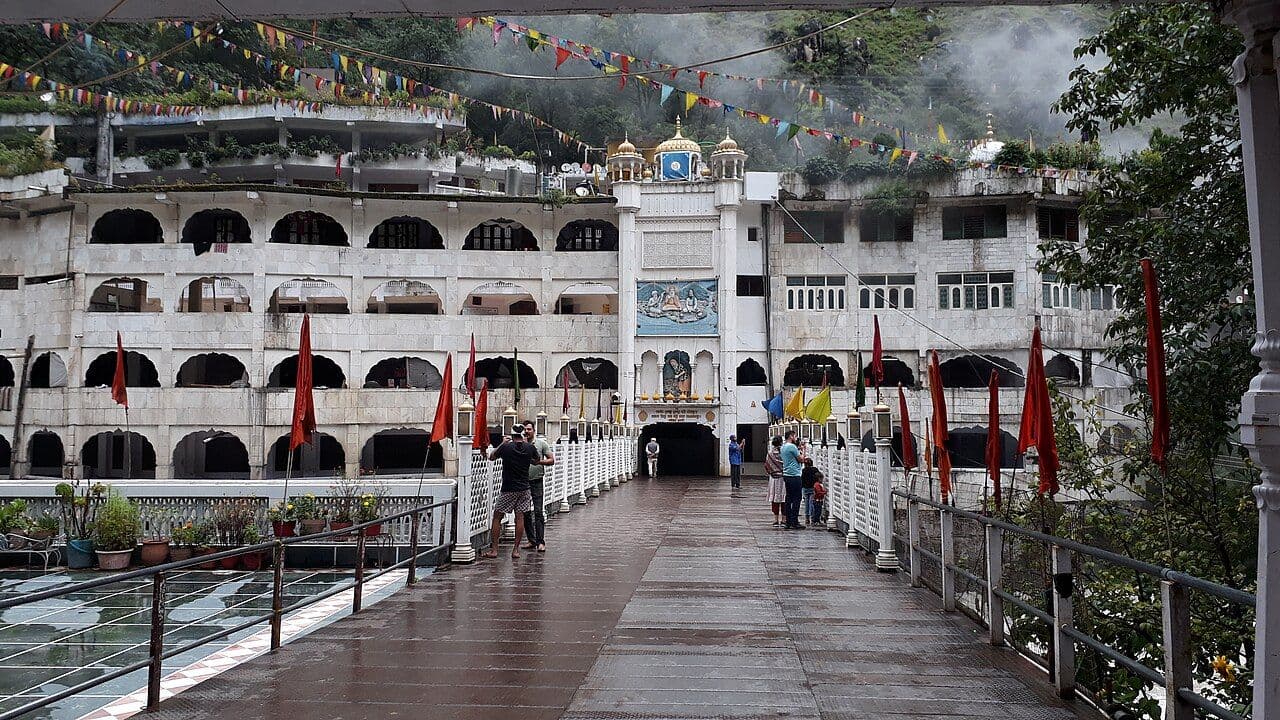
By local traditionਸਥਾਨਕ ਰਵਾਇਤ ਅਨੁਸਾਰ
What happened at each place comes from this site's Journey research, which follows the Encyclopaedia of Sikhism, Bhai Gurdas's Vaar 1 and the Janamsakhis, with sources on each page. The Janamsakhis differ from one another, and which Udasi a place belongs to varies between them: 'historical' marks places supported by Guru Ji's hymns, Bhai Gurdas or physical evidence, and 'by tradition' the rest. Photos are freely licensed from Wikimedia Commons, credited on each page; map positions from Wikipedia and OpenStreetMap.ਹਰ ਥਾਂ ’ਤੇ ਕੀ ਹੋਇਆ, ਇਹ ਇਸ ਸਾਈਟ ਦੀ ਉਦਾਸੀਆਂ ਬਾਰੇ ਖੋਜ ਵਿੱਚੋਂ ਹੈ, ਜੋ ਸਿੱਖ ਧਰਮ ਵਿਸ਼ਵਕੋਸ਼, ਭਾਈ ਗੁਰਦਾਸ ਜੀ ਦੀ ਪਹਿਲੀ ਵਾਰ ਅਤੇ ਜਨਮਸਾਖੀਆਂ ਉੱਤੇ ਅਧਾਰਿਤ ਹੈ; ਹਰ ਪੰਨੇ ’ਤੇ ਸਰੋਤ ਦਿੱਤੇ ਹਨ। ਜਨਮਸਾਖੀਆਂ ਇੱਕ ਦੂਜੀ ਤੋਂ ਵੱਖ ਹਨ, ਅਤੇ ਕੋਈ ਥਾਂ ਕਿਹੜੀ ਉਦਾਸੀ ਵਿੱਚ ਆਉਂਦੀ ਹੈ, ਇਹ ਵੀ ਵੱਖ-ਵੱਖ ਹੈ। ਤਸਵੀਰਾਂ Wikimedia Commons ਤੋਂ ਮੁਫ਼ਤ ਲਾਇਸੈਂਸ ਵਾਲੀਆਂ ਹਨ; ਨਕਸ਼ੇ ਦੀਆਂ ਥਾਵਾਂ Wikipedia ਅਤੇ OpenStreetMap ਤੋਂ।